CNDDB logo

Subscribe

Sign up to receive new posts by email.

    Search

    CNDDB News Blog

    All CNDDB Blog Posts

    rss

    Collage of invasive species in California. Top left: red-eared slider. Top right: iceplant. Bottom left: water hyacinth. Bottom right: bullfrog.

    This week, June 6-14, marks CDFW’s 7th Annual California Invasive Species Action Week (CISAW). The Department’s Invasive Species Program dedicates its first full week of June each year to increasing public awareness of invasive species issues and promoting public participation in the fight against California's invasive species and their impacts on our natural resources.

    Invasive species are a huge threat to native and rare plants and animals, so CNDDB staff would like to invite you to visit the CISAW web page to find out how you can participate. There are prize drawings, fun quizzes, and links to fascinating facts!

    Categories:   Education and Awareness

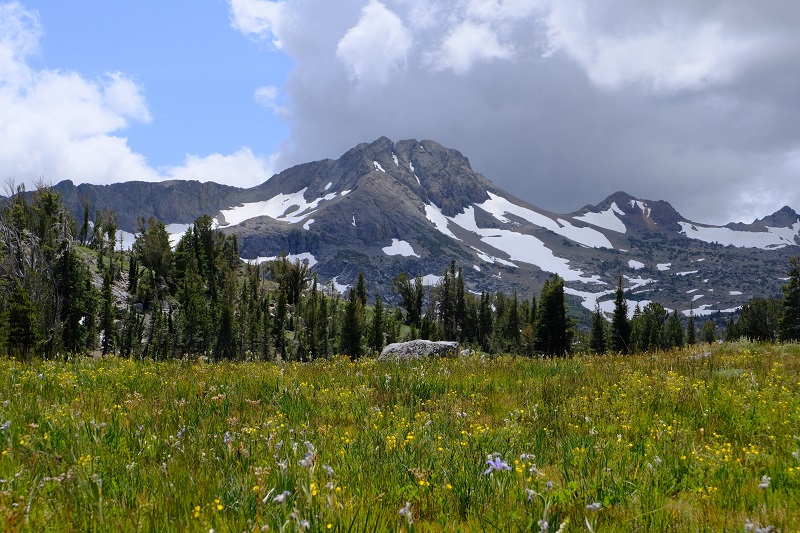
    View of snowy mountain and alpine meadow near Carson Pass, California
    Photo credit: Rachel Powell 

    May 22nd is the link opens in new windowInternational Day for Biological Diversity, and the theme this year is “Our Solutions are in Nature.”

    The California Floristic Province is one of link opens in new window36 biodiversity hotspots in the world, due to its unique climate and geologic history, high numbers of native and endemic species, and severe loss of natural vegetation. There are link opens in new windowover 5500 plant species native to California, and 40% of these are endemic—they are found nowhere else in the world. California is also home to almost 40 million people, and some of the most densely populated regions of the state are also centers of high biodiversity.

    Biological diversity contributes to many important ecosystem services, such as pollination, water filtration, carbon sequestration, and recreation. Diverse ecosystems are also more resilient and will likely play important roles in our efforts to mitigate and adapt to a changing climate.

    Here at the California Natural Diversity Database, we strive to provide the best available data on rare and sensitive species in order to help preserve California’s rich biodiversity. To learn more about the California Biodiversity Initiative and other ways that the department is working to promote biodiversity, visit the CDFW Biodiversity web page.

    Categories:   Education and Awareness

    California condor in flight. The California condor is a federally and state listed endangered species.

    May 15th marks the 15th annual Endangered Species Day. Today is all about learning the importance of protecting endangered species and everyday actions that can be taken to help protect them. With nearly 300 federally listed endangered and threatened plants and animals in the state, California is a hot spot for rare species, second only to Hawaii in the number of federally listed species.

    While many species still hover on the brink of extinction, it is important to celebrate the victories that have occurred, and that would not have been possible without the Endangered Species Act. Perhaps the most iconic endangered species in California is the California condor. In the late 1980s, fewer than 30 birds were left in the world and a captive breeding was implemented. Today there are over 450 condors thanks in large part to the research and resources that were devoted to helping this species recover once it was placed on the Endangered Species List. Keeping species from becoming extinct is what the Endangered Species List is all about. The California condor is just one example of what can be achieved once a species becomes classified as an endangered species. Endangered Species Day is a great way to acknowledge the successes in preventing extinctions that have occurred due to the Endangered Species Act and to remember that there are hundreds of species in California that need our help to survive.

    For additional information on Endangered Species Day and actions you can take to help protect endangered and threatened species, please see the link opens in new windowEndangered Species Coalition website.

    Categories:   Education and Awareness

    Biogeographic Data Branch
    Physical Address: 1700 9th Street, 4th Floor, Sacramento, CA 95811
    Mailing Address: P.O. Box 944209, Sacramento, CA 94244-2090
    (916) 322-2493 | BDB@wildlife.ca.gov