Identification
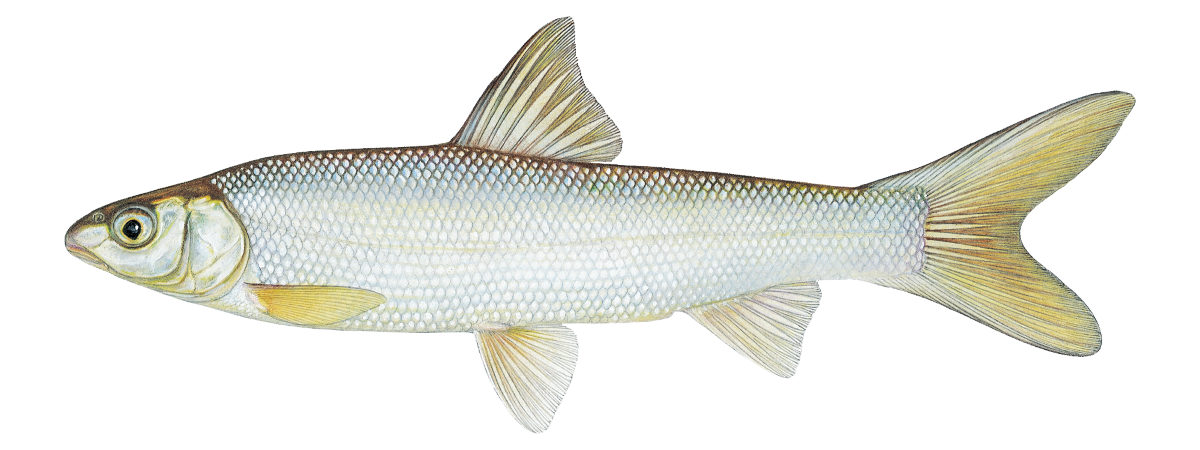
Sacramento Splittail (splittail) are large minnows of the Cyprinidae family. They can grow upwards of 400 millimeters fork length. Splittail are easily distinguished from other members of the cyprinid family by examining the tail fin. The upper lobe of the tail fin is longer than the lower lobe. Splittail also have a subterminal mouth which may have small barbels present. Coloration varies from silver to dusky grey, with breeding adults developing red-orange hues on their fins.
Biology
The Sacramento Splittail is a Cyprinid native to California and the only surviving member of its genus. It is relatively long lived (7-10 years) and highly fecund with spawning females producing upwards of 150,000 eggs per female. Splittail have a high tolerance to a wide variety of water quality parameters including salinity, temperature, and dissolved oxygen. Adult splittail are found predominantly in the Suisun Marsh but are also found in other brackish water marshes in the San Francisco Estuary as well as the fresher Sacramento-San Joaquin Delta (delta). While in these areas splittail feed on a wide variety of invertebrates and detritus. In the late winter and early spring when California’s Central Valley rivers experience high flows from winter storms and snow melt, adult splittail will move into inundated flood plains and margin habitats in the delta to spawn. After spawning the adult fish move back downstream. Splittail lay eggs on submerged vegetation and hatching occurs within a few days. Larval fish then grow at an accelerated rate in the warm and food rich environment of the Sacramento-San Joaquin Delta. Once they have grown a few centimeters these juvenile fish begin moving off of the floodplain and downstream into similar areas as the adults. In the marsh, these juveniles become sexually mature in two to three years.
Distribution
Splittail are endemic to California’s Central Valley Delta and San Francisco Bay estuary. In the valley they were historically found as far north as Redding on the Sacramento River and as far south as the San Joaquin River near Friant Dam. Today, splittail are primarily found in the Delta, Suisun Bay and marsh, Napa and Petaluma rivers, and other parts of the San Francisco Estuary. Adult splittail move upstream to the Sacramento and San Joaquin rivers to spawn beginning in late November and remain until about early March.
Angling
Angling for splittail in the Napa and Petaluma rivers and the San Francisco estuary occurs year-round. Splittail angling on the Sacramento and San Joaquin occurs during the adult spawning migration between November and March.
Because splittail prefer to spawn in flood plains and along flooded edge habitats, splittail are generally caught close to shore. Light-spinning gear with small hooks and bait such as night crawlers or pile worms, are all that is needed to catch these strong fighters.
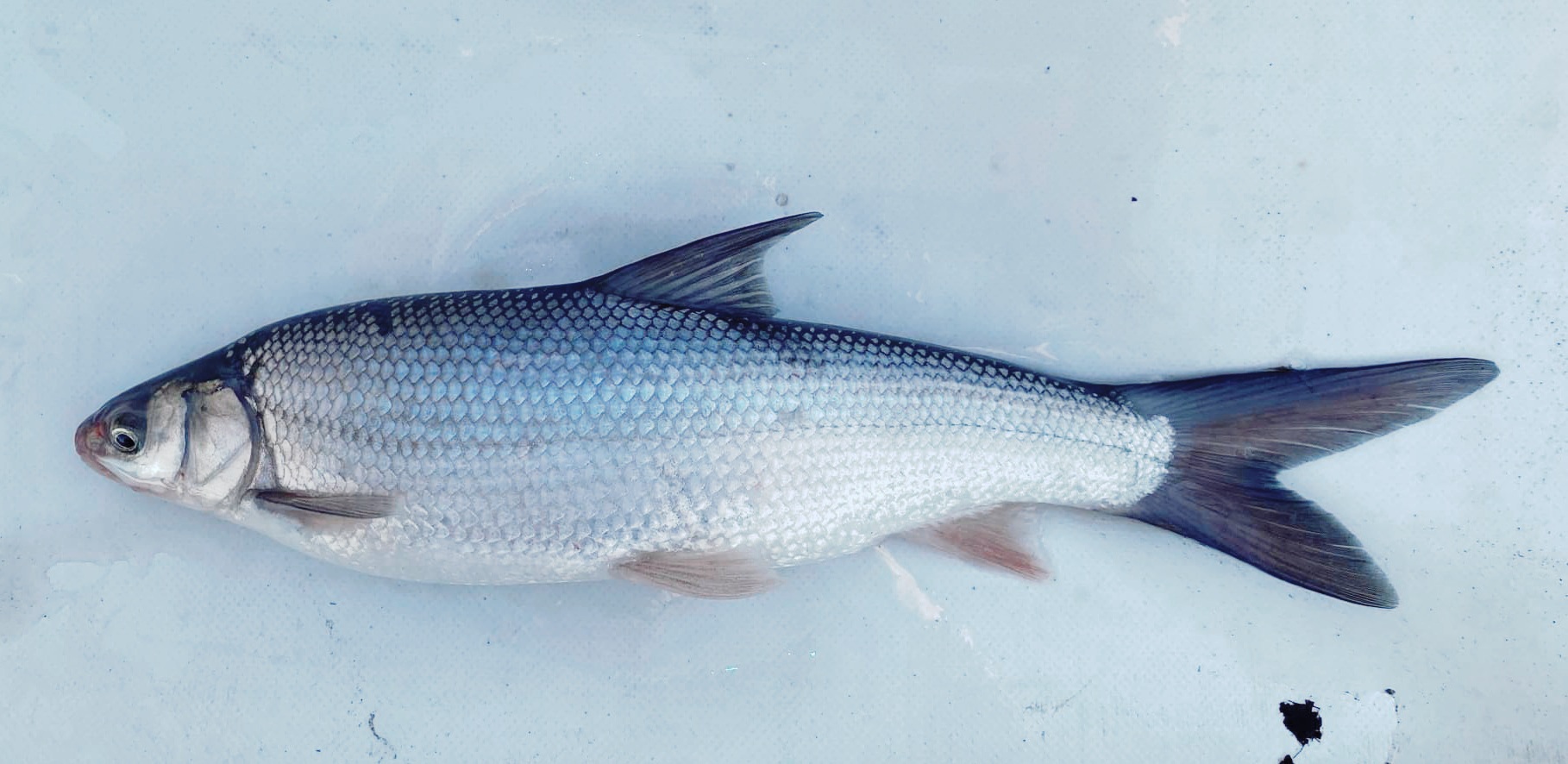 CDFW photo of Sacramento Splittail